Categories
Ham Satellite news

HuskySat-1 Designated HuskySat-OSCAR 107 (HO-107)

This is info from ANS:
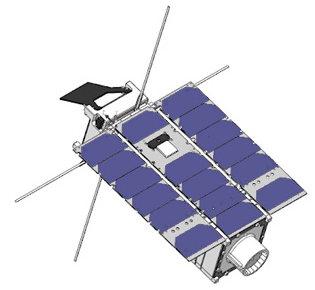
On November 2, 2019, the HuskySat-1 cubesat launched on the Cygnus NG-
12 mission from Wallops Island, Virginia, USA. The satellite was con-
structed by the Husky Satellite Lab at the University of Washington,
and utilizes an AMSAT-constructed radio system for primary communica-
tions. Deployed from the Cygnus vehicle on January 31, 2020 after de-
parting the ISS, HuskySat-1 began a 3-month educational mission. Upon
completion of that mission, the satellite began operation of a V/u
linear transponder in amateur service.

At the request of the Husky Satellite Lab and AMSAT teams, AMSAT here-
by designates HuskySat-1 as HuskySat-OSCAR 107 (HO-107). We congratu-
late the Husky Satellite Lab, thank them for their contribution to the
amateur satellite community, and wish them continued success on this
and future projects.
73
Drew Glasbrenner, KO4MA
AMSAT VP Operations / OSCAR Number Administrator
Categories
Ham Satellite news

CAS-7A launch in September

Info from ANS-131 about a new interesting satellite with HF:
Two new Chinese amateur radio satellites are now expected to launch on
September 15, 2020. The first of these satellites, CAS-7A, is a 27 kg
microsat (750 mm x 650 mm x 260 mm) with three-axis stabilization and
several transponders. The transponders include a 15m to 10m linear
transponder (H/t), a 15m to 70cm linear transponder (H/u), and a 2m to
70cm linear transponder(V/u). The satellite also includes a 2m to 70cm
(V/u) FM transponder. Several beacons and data downlinks are also feat-
ured, CW beacons on 10m and 70cm, 4.8k or 9.6k GMSK telemetry on 70cm,
and a 1 Mbps GMSK image data downlink on 3cm for the on board camera.
IARU coordinated frequencies for the uplinks and downlinks are listed
below.

This launch is also expected to carry CAS-7C, a 2U CubeSat with a V/u
linear transponder and a CW beacon. Frequencies for CAS-7C have not
been coordinated by the IARU at the time of this writing. CAS-7C will
also deploy a 1 mm diameter 1080 meter long carbon fiber rope.

CAS-7A and CAS-7C will launch from Jiuquan Satellite Launch Center
into a 500 km sun-synchronous orbit with an inclination of 98 degrees.

Frequencies:

CAS-7A H/t Linear Transponder
Uplink – 21.245MHz through 21.275 MHz
Downlink – 29.435MHz through 29.465 MHz
CW Beacon 29.425 MHz

CAS-7A H/u Linear Transponder
Uplink – 21.3125 MHz through 21.3275 MHz
Downlink – 435.3575 MHz through 435.3725 MHz
CW Beacon 435.430MHz

CAS-7A V/u Linear Transponder
Uplink – 145.865 MHz through 145.895 MHz
Downlink – 435.385 MHz through 435.415 MHz
CW Beacon 435.430MHz

CAS-7A V/u FM Transponder
Uplink 145.950 MHz
Downlink 435.455 MHz

4.8k / 9.6k GMSK telemetry downlink – 435.480 MHz
1 Mbps GMSK image data downlink – 10460.00 MHz

[ANS thanks the IARU for the above information]

Categories
Ham Satellite news

HuskySat-1 Transponder is Open

From ANS 131b:
After a week of testing, the transponder on HuskySat-1 is enabled and
open for use and testing. It’s fairly sensitive, and 5-10 watts is
plenty most of the time. There are some fades due to satellite orien-
tation, and some passes are definitely better than others. The opera-
tions and engineering teams are also watching a few anomalies. Please
keep an eye on the beacon during transponder ops, for those with spec-
trum scopes. Strong signals may impact the beacon strength.

HuskySat-1 is the Husky Satellite Lab at University of Washington’s
first cubesat, and the first mission with AMSAT’s linear transponder
module (LTM-1), a V/u transponder and integrated telemetry beacon and
command receiver. UW recently completed their Part 5 operations and
have graciously let AMSAT’s Part 97 transponder operations commence.
This transponder module is available for use in educational cubesat
missions willing to enable the transponder for worldwide use. Contact
myself or VP Engineering Jerry Buxton for additional details.

Reports and observations are welcome to the amsat-bb mailing list.

Congratulations to Husky Satellite Lab, and to the entire AMSAT
Engineering team for keeping amateur radio in space. Thanks to Dr.
Mark Hammond, N8MH for commissioning and operations support.

73, Drew KO4MA

AMSAT VP Operations

HuskySat-1 V/u inverting transponder, 145.910 to 145.940 uplink, 435.810
to 435.840 downlink, telemetry beacon 1200 baud BPSK at 435.800

Categories
Telemetry

Triton-1 CW telemetry 2020-05-10

Old Triton-1 CW telemetry at 145.820 MHz, drifting.

Categories
Telemetry

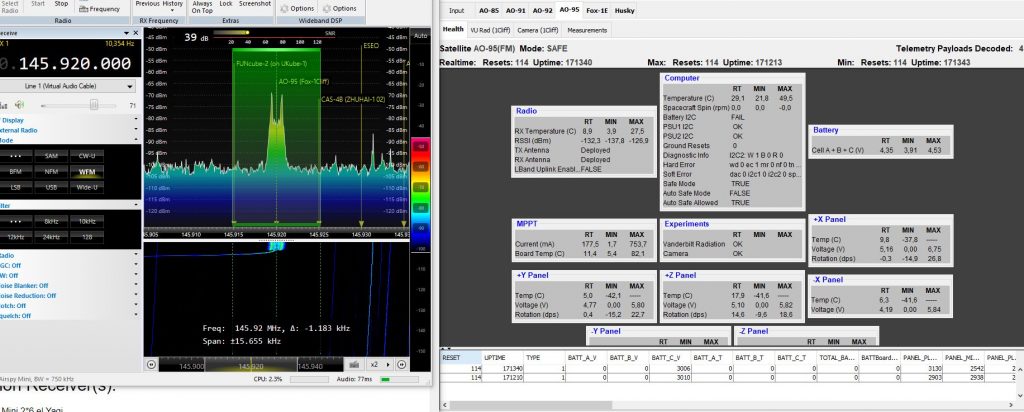
AO-95 telemetry 2020-05-06

Still very strong telemetry on 145.920 MHz from AO-95 (Fox-1Cliff).

Categories
Antennas För nybörjare

Moxon Dual Band VHF/UHF satellite antenna

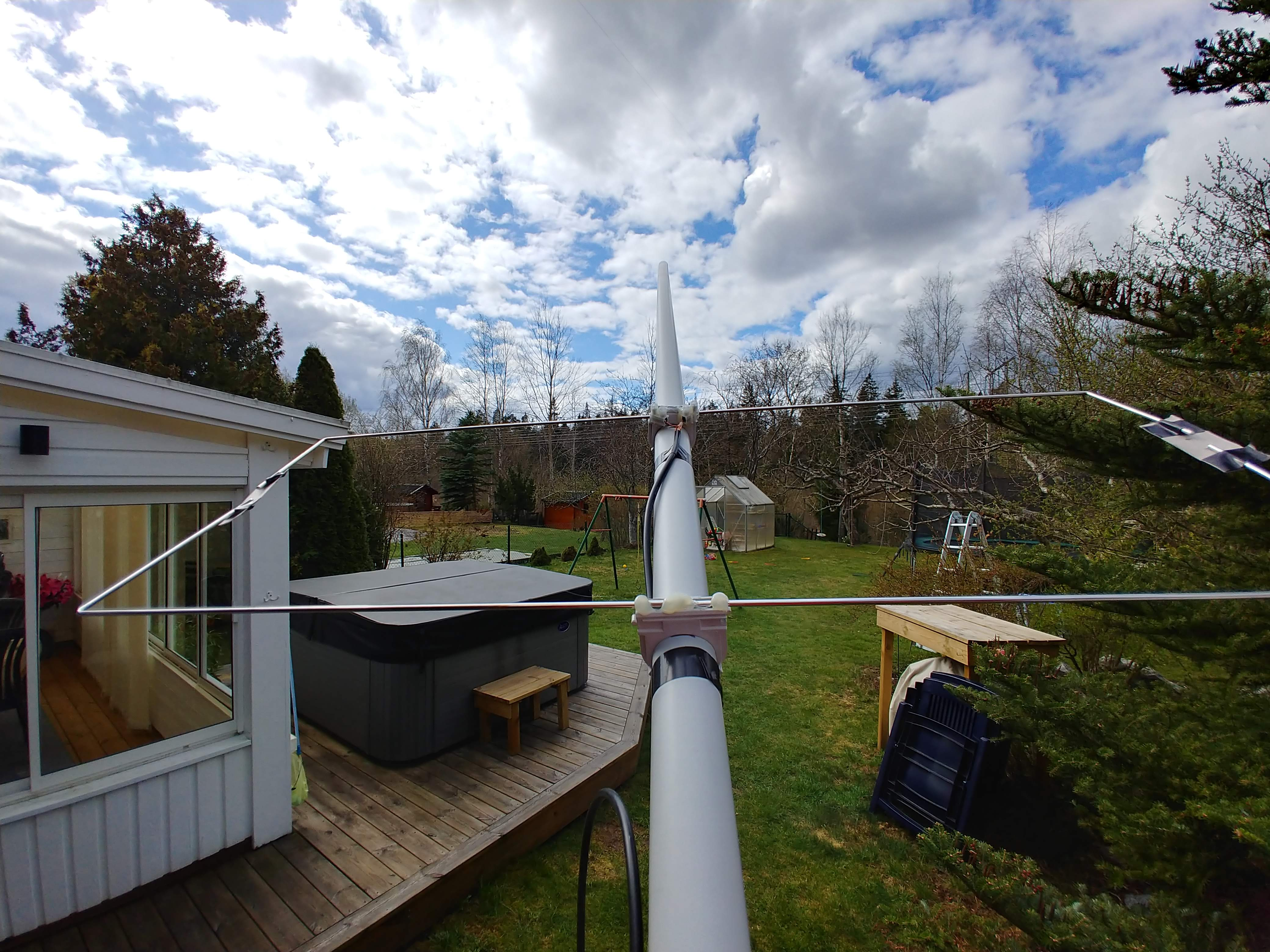
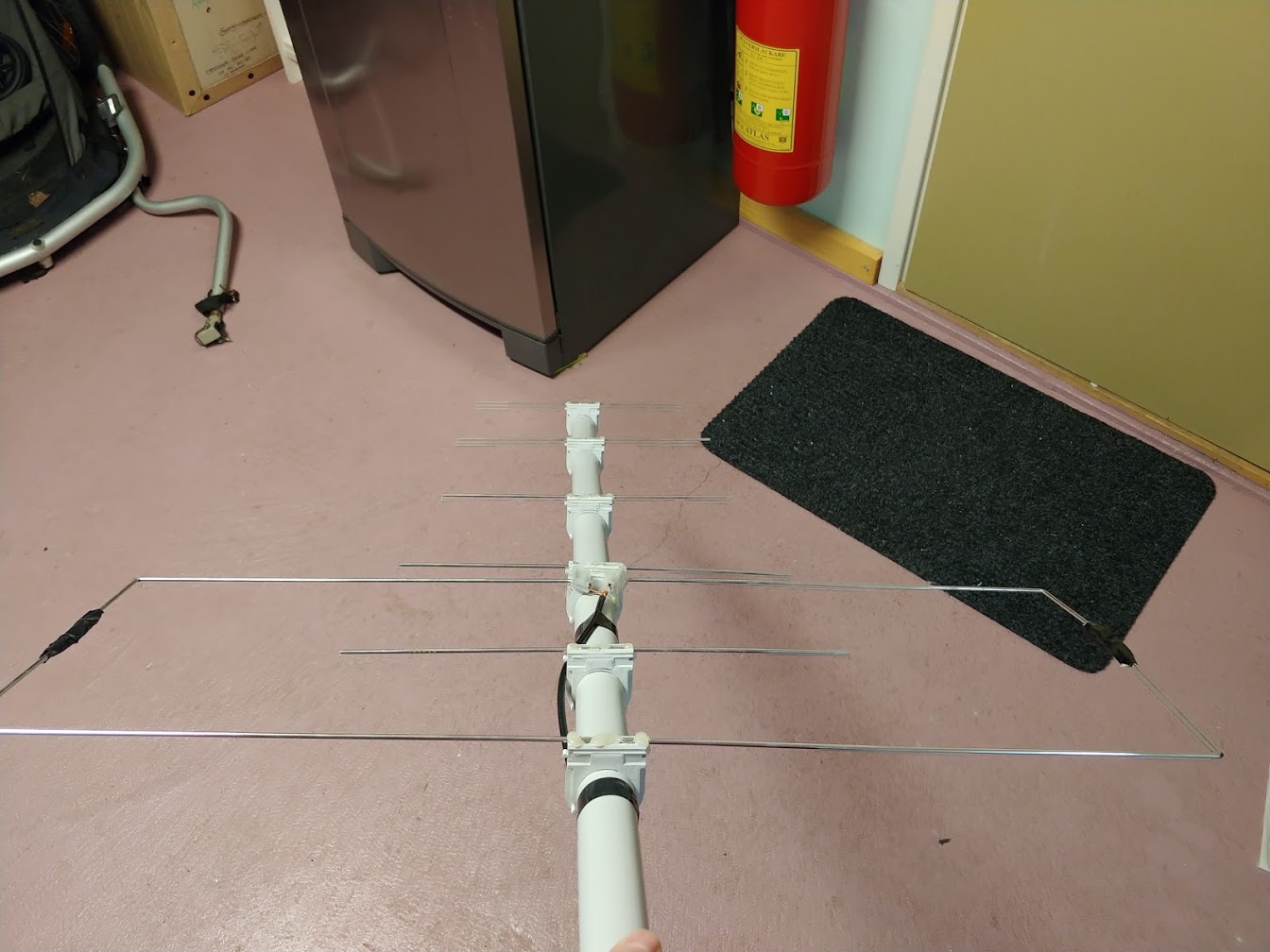
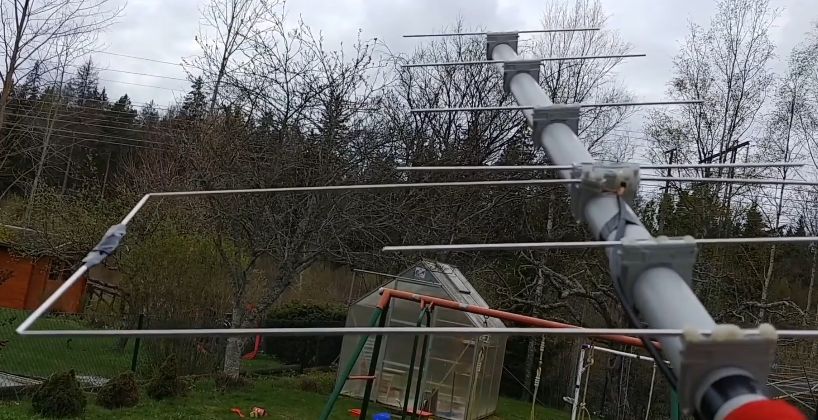
I have built some simple yagis the last years and seen that many have tried a Moxon Dual Band yagi. I decided to try the model by George Smart – @M1GEO. For all details of the antenna please see George homepage.

I have used the following materials:

  • PVC pipe 32 mm diameter
  • PVC pipe clamps for 32 mm pipe. These are to attach the elements with glue and the just clamp it on to the pipe. See pictures.
  • TIG Aluminium elements (Tigrod ESAB OK 4043 (3.2 mm/1000 mm)
    In Sweden you can buy these at https://www.svetsmaskinservice.se/
  • Coax cable direct connection to the VHF element

Some pictures from building

VHF element construction
VHF element test outside
UHF elements completed

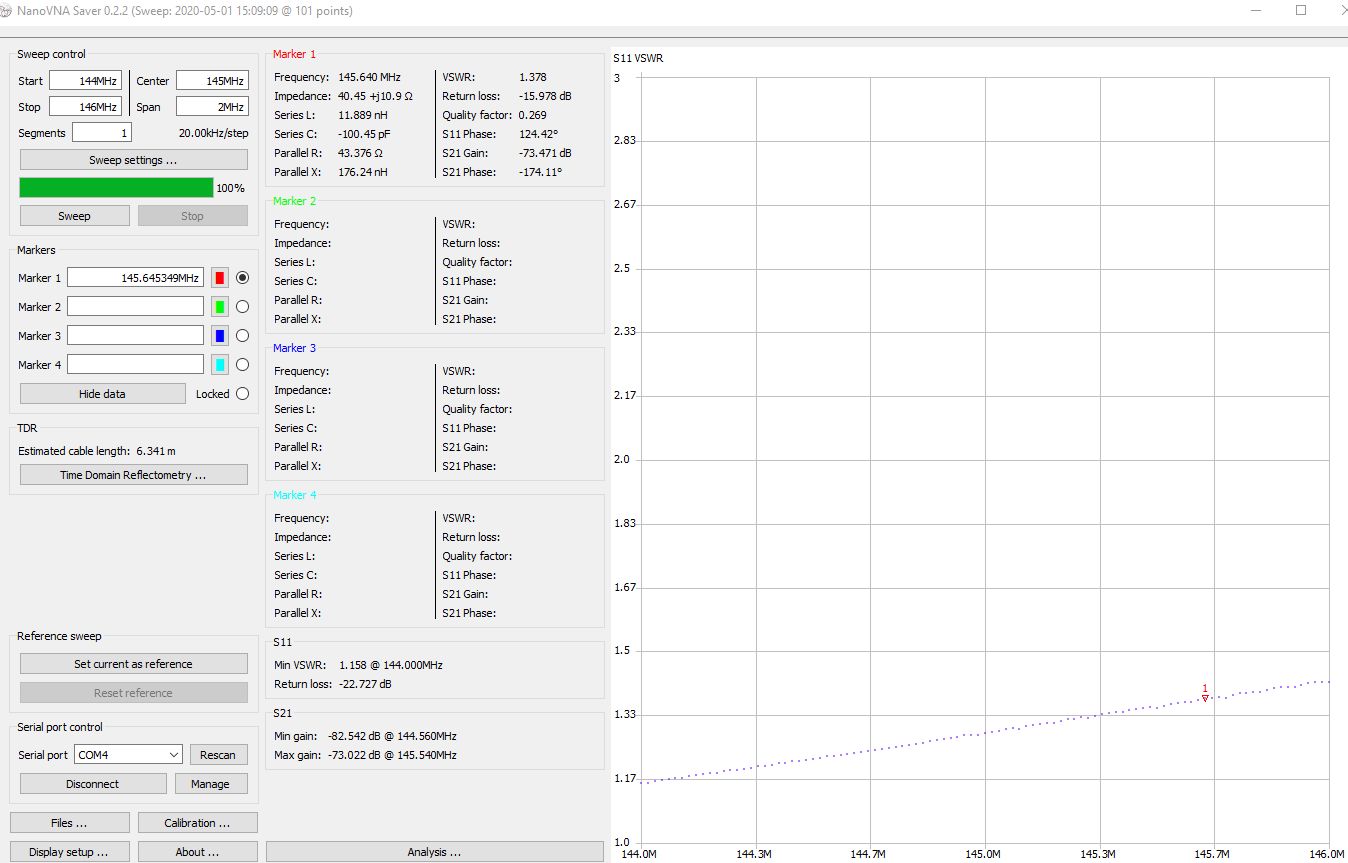
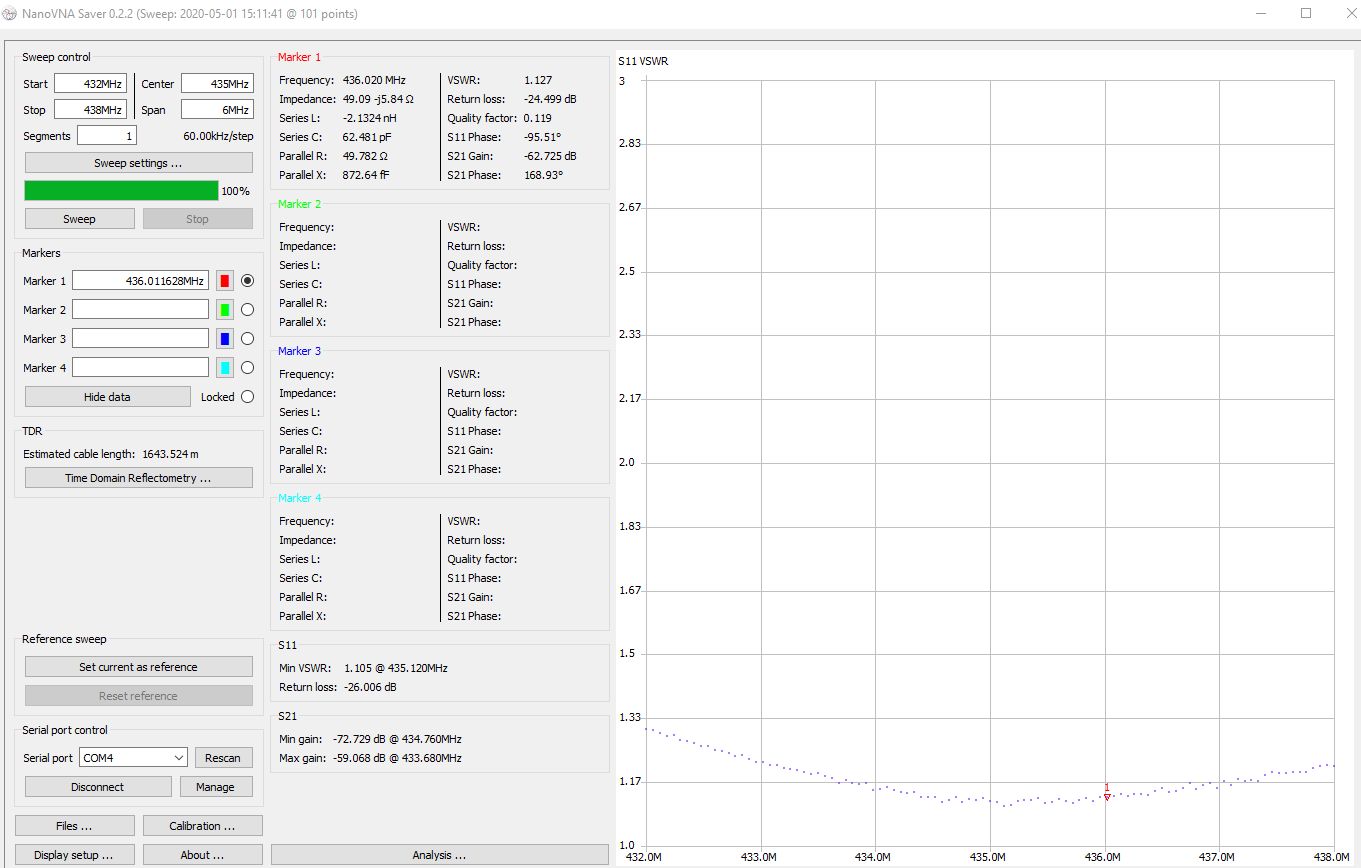
SWR measurment

VHF – very good SWR
UHF – better then VHF!

Real tests on UHF and VHF

UHF:
Below a very simple test with RS-44 on UHF SSB and with SDR Console. I will need to do better tests with FM sats like SO-50.

Very simple test on UHF with the RS-44 satellite

This is the second test with RS-44. Recorded with SDR Console v3 and Airspy Mini. As you can see the signal levels are not so high with this antenna so it’s sometimes hard to hear the QSOs. And the fading from the satellite is very clear. The antenna was in horizontal position, vertical was even lower signal levels. It would be fun to compare the antenna with an Arrow yagi…

Second test with RS-44 satellite on UHF

VHF:
Very good RX!
This is a test with DIY Moxon Dual Band VHF/UHF portable satellite antenna. Satellite received is AO-91 on 145.960 MHz FM. In the video you can see the signal fading when twitching the antenna vertically/horizontal. You can also see when pointing the antenna away from the satellite position that the signal drops.
In the last 20 sec of video you can see, in the background, my large yagis (2×6 el) tracking the satellite.

RX test on VHF AO-91 satellite