The latest version of WSJT-X Improved, from v2.7.1, it is possible to use full duplex, that is listening and decoding at the same time you are transmitting. For satellite operators, mainly QO-100, you can now have full duplex control over your transmission avoiding drifting of your FTx signal.
I did a test with FT4 over RS-44 as I will try to describe here in this post. I’m using Icom IC-9700 and PstRotator for doppler control but the concept is the same if you are using other rigs and doppler control software.
First download WSJT-X Improved, use version from v2.7.1.
To be able to use doppler control from PstRotator and at the same time control PTT from WSJT-X use Omnirig (this setup is not described in this post).
When using the “Satellite mode” with IC-9700 the RX is the main band and the TX is the sub band.
For IC-9700 you must set up the USB soundcard in Windows to use both channels (“Kanal 2” in swedish means “2 channels”):
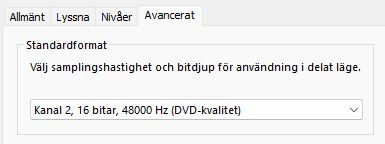
Note – sometimes this setting can change during a Windows update and be reverted to one channel again.
Updated 2026-02-01: It seams that it works also if just using one channel as the IC-9700 then only outputs the main band.
In WSJT-X use the USB left channel from the IC-9700 – left channel is the main band audio. A very good article by GM4VVM about the sound card setting in IC-9700 can be found here.

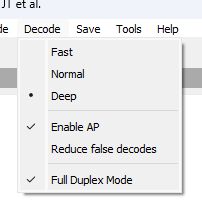
Set up for Full Duplex Mode in WSJT-X:
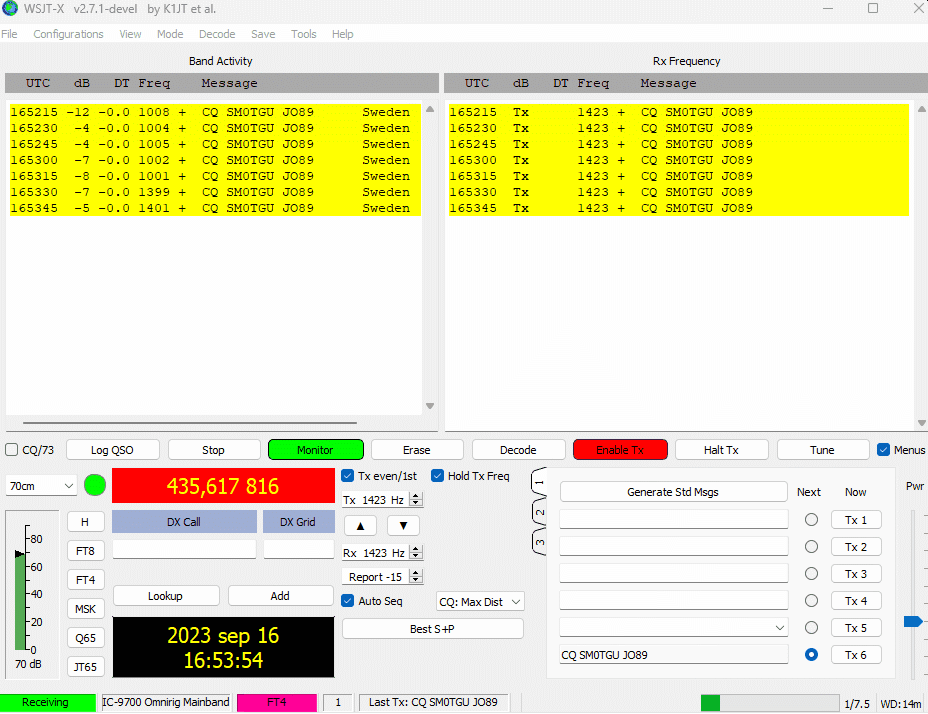
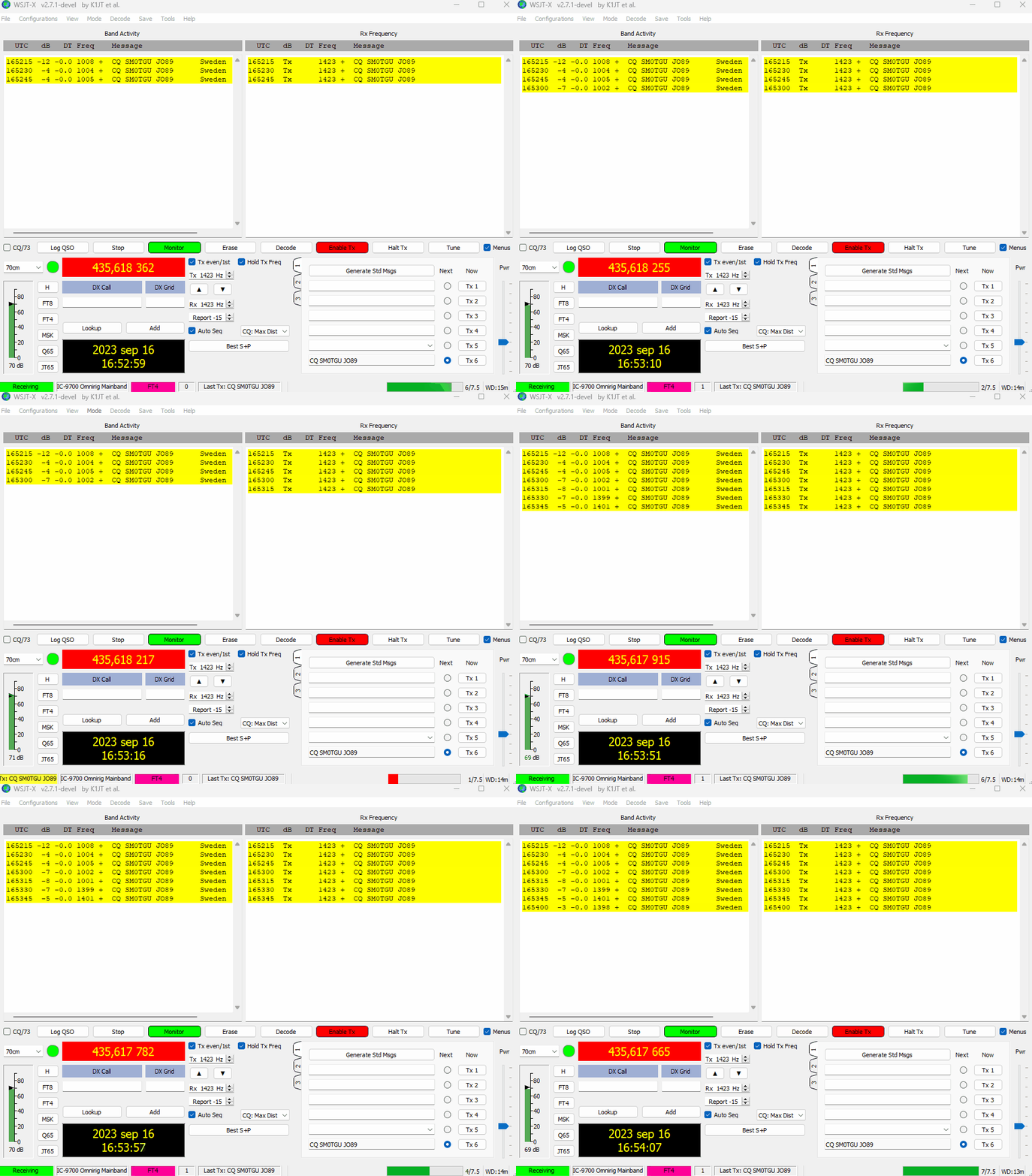
Below is an animated GIF when using FT4 via RS-44. Transmitting power is at 0% (zero) so very little uplink power is needed. You see that after every TX sequence WSJT-X is decoding my signal:
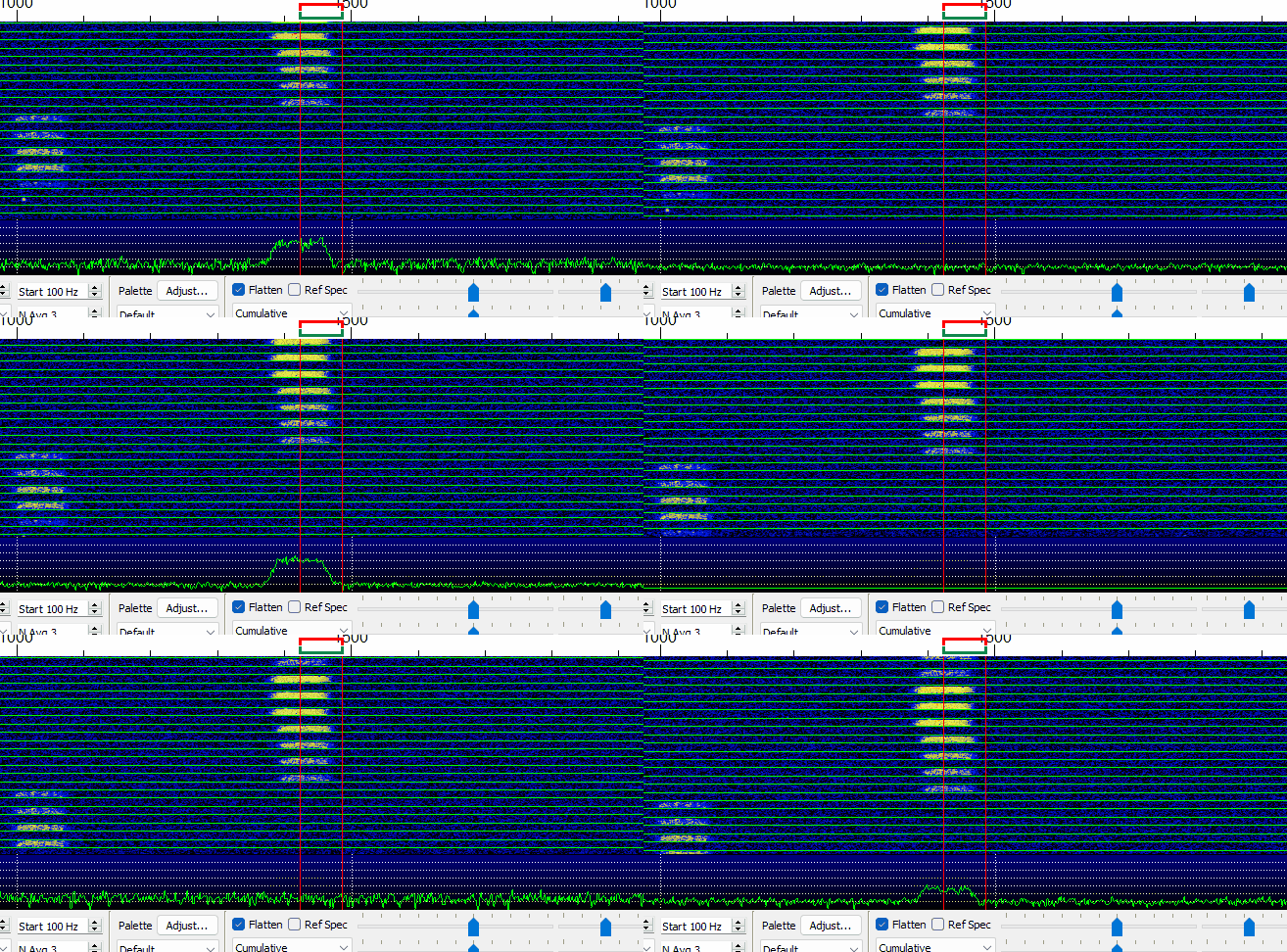
And below you see the WSJT-X spectrum as an animated GIF. What you see is my transmitted FT4 signal received in full duplex.
Summary:
The Full Duplex version of WSJT-X improved is working perfect for FT4 via satellite!