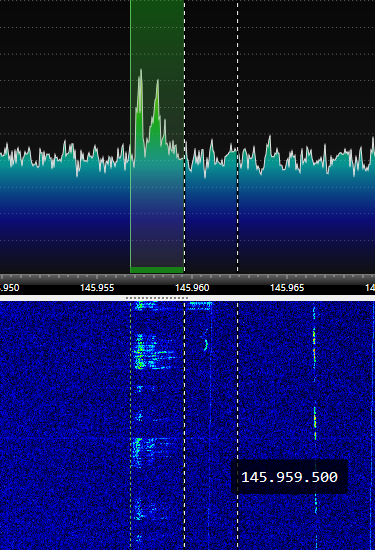
Very nice signals from AO-73 transponder 27 june 2020. If you have equipment please try this sat!
 AMSAT-SM - Official Website of AMSAT-SM Sweden
Här finner du nyheter om amatörradiosatelliter från hela världen.
Varios ham radio satellites news.
Very nice signals from AO-73 transponder 27 june 2020. If you have equipment please try this sat!
In June 20 (2020) the CAS-6 satellite was activated. As reported by many it is only active for 1 sec in 7 sec interval. It can be seen in the beacons, both CW and GMSK.
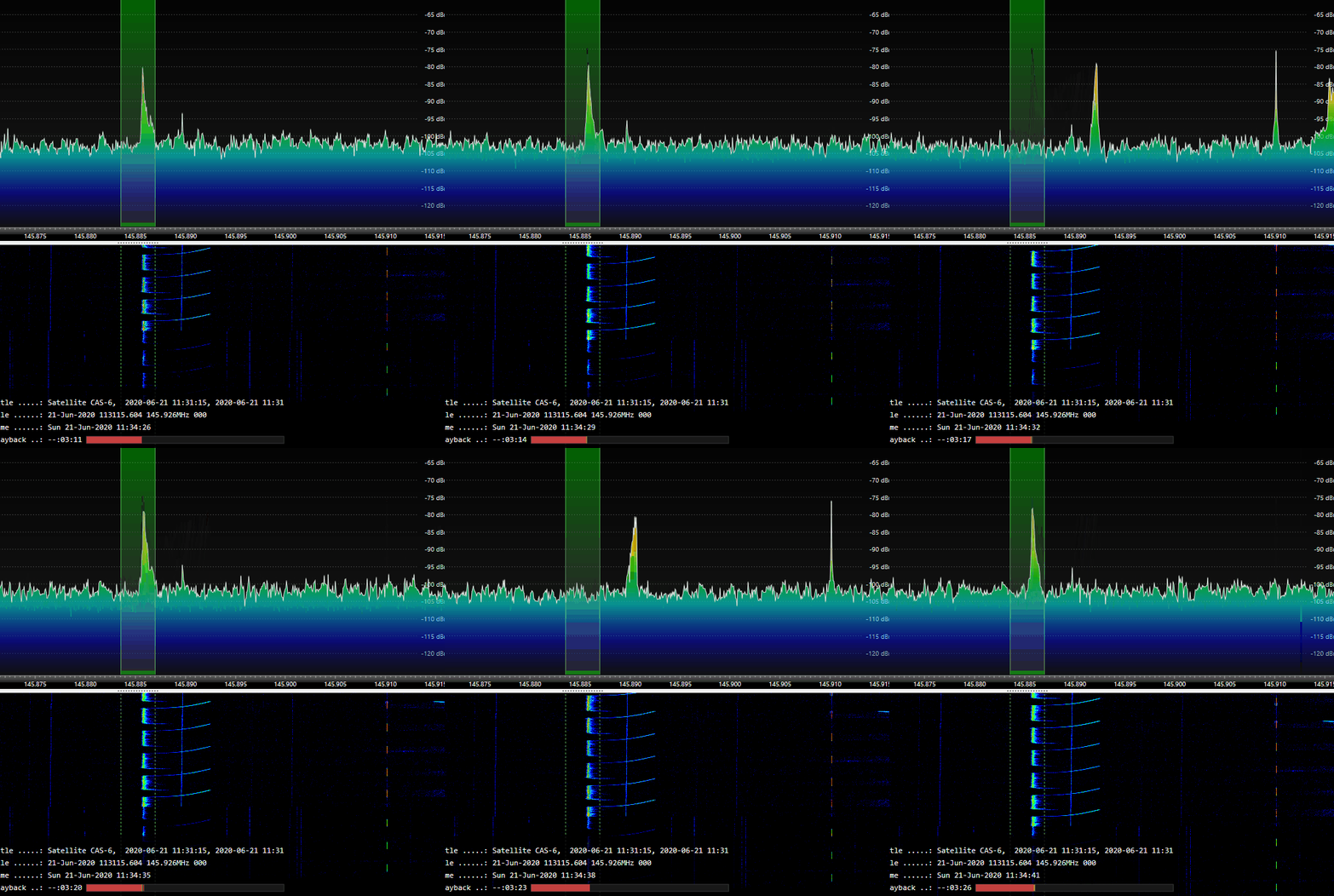
I hope this can be fixed – CAS-6 is very strong on downlink and it can be a nice ham radio satellite.
Frequencies:
• CW Telemetry Beacon: 145.910 MHz
• AX.25 4.8kbps GMSK Telemetry: 145.890 MHz
• U/V Linear Transponder Downlink: 145.925 MHz, 20 kHz bandwidth, inverted
• U/V Linear Transponder Uplink: 435.280 MHz
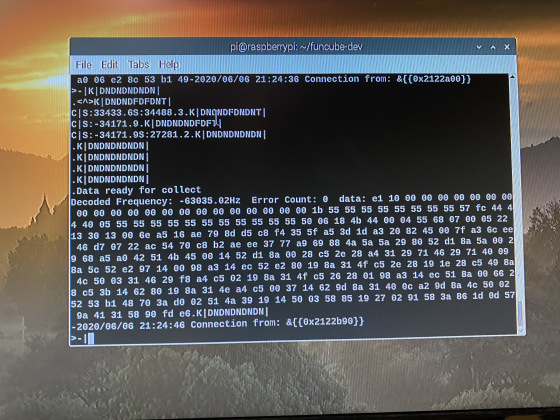
According to info from G3VZV/FUNcube website the FUNcube decoder now can be used with Raspberry PI, but only if you are using FUNcube dongle SDR.
Olle Enstam SM0DY har avlidit i en ålder av 90 år. Olle var under många år aktiv i AMSAT-SM både som styrelsemedlem och ordförande. Han var även aktiv på satelliterna och en flitig skribent i medlemstidningen AMSAT-SM Journal.
Jag hade förmånen att vara medlem i styrelsen en tid under Olles ordförandeskap. Trots stor åldersskillnad mellan oss fick jag alltid förtroende av Olle vilket hans stora erfarenhet av styrelseuppdrag då lyste igenom.
I Svenska Dagbladet den 8 juni 2020 finns en minnestext som sammanfattar hans yrkesliv.
/Lars Thunberg SM0TGU
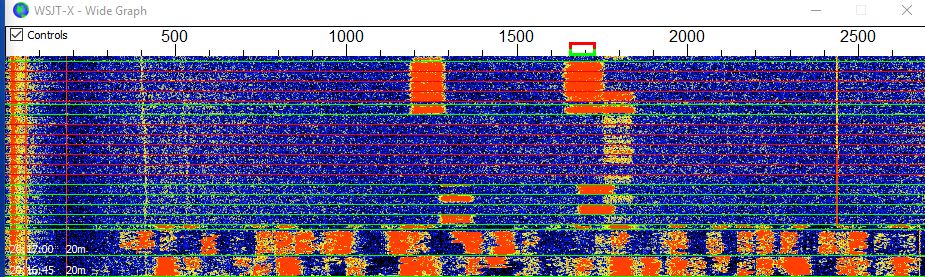
Interesting tests with FT8 and FT4 via linear transponders. I hope we will see more of this in the future, for hams not interested in SSB or/and CW.
Digital Mode Experiments Conducted on Linear Satellites
From ANS-152
[EDITOR’S NOTE: Be aware that the experiments described below utilize
very narrow AFSK modulation with fairly advanced computer control for
Doppler correction and frequency stabilization. They do NOT involve
use of narrowband FM signals such as those used for terrestrial APRS or
dedicated APRS satellites. So please, NEVER transmit FM on the uplink
to a linear satellite. ALSO, in should be emphasized that power levels
must be kept very low, as all the WSJT modes are 100% duty cycle.]
Recently a group of regular satellite-using amateurs conducted experi-
ments with FT-8 and FT-4 on a variety of linear satellites. Alan
(WA6DNR), Carlos (W7QL), Dave (W0DHB) and Ron (W5RKN) were involved and
made many satisfactory QSOs. The primary results and observations from
these tests are:
• Digital modes can successfully be employed on the linear birds
while not interfering with concurrent users by operating close to
the bottom end of the passband, using the lowest power practicable
and using very narrow signals.
• We avoided the satellites known to be power-sensitive, FO-29 and
AO-7. Testing was conducted with CAS-4A, CAS-4B, RS-44, XW-2A, XW-2B,
XW-2C and XW-2F.
• FT-4 was the most robust signal format, compared to FT-8. Other
of Joe Taylor’s digital signal modes should be investigated.
• The rate of change of Doppler just before and after TCA is high on
the lower-orbit satellites and must have compensation. 200 Milli-
second Doppler updates allowed 100% copy of FT-4 transmissions
throughout several passes of different linear satellites. This can be
accomplished in SatPC32 by setting the “SSB/CW Interval” in the CAT
menu to zero and checking the 5X box. Note that this setting is not
retained when SatPC32 is shut down.
• Very little power is needed for QSOs throughout the duration of the
pass, from AOS to LOS. W7QL set IC-9700 power to “zero” (roughly 500
milli-Watts, with over 3 dB cable/connector loss to a Leo-Pack anten-
na pair) and copied every packet on several satellites.
• FT-4 is very tolerant of voice signals which might drop on top of
an ongoing FT-4 QSO. However, an FT-4 signal dropping in the middle
of an SSB QSO would be quite annoying to the SSB operators.
• According to Joe Taylor, the occupied bandwidth of an FT-4 signal
is 90 Hz. So theoretically over 200 such signals could be present on
a 20 KHz channel. Obviously that will not, and should not happen. But
a dozen closely spaced FT-4 QSOs at the bottom of the band, each run-
ning very low power should hardly be noticeable to current voice and
CW traffic.
We invite other Satellite operators to join us in this expanded utili-
zation of the linear satellite resources available to us. We recommend
using FT-4 AT VERY LOW POWER, in the bottom few KHz of the downlink
frequency range, with appropriate Doppler compensation, as described
above. We hope to have a digital QSO with you sometime soon on the
linear birds.
[ANS thanks Carlos Cardon, W7QL, for the above information]
Hej, här kommer en liten spaning över gamla och kommande nya riggar för satellit. Den är absolut inte heltäckande och jag har säkert missat en del viktiga händelser.
Om man kollar historiskt i tiden vad gäller tranceivers för att kunna köra satellit på VHF och UHF med full duplex, dvs. sända på ett band samtidigt som man tar emot på ett annat, så har det uteslutande varit stationära riggar som gäller. Dvs. ganska stora och tunga saker som inte lämpar sig så bra att packa ner i ryggsäcken och köra portabelt. Utbudet har såklart varit mindre än rena HF-riggar men det har alltid funnit några alternativ att köpa.
Förra året kom Icom med en ren VHF/UHF-rig mycket lämpad för satellit, Icom IC-9700. Det är en SDR med många funktioner och priset blev därefter. Den bygger av sin meny-struktur på HF-riggen IC-7300 och en del har köpt båda två för att komplettera varandra. Den är även så pass liten att den går att ta med sig portabelt, men med externt batteri såklart.
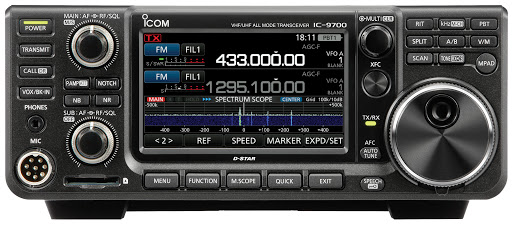
När det gäller portabla riggar (full-mode) är det framförallt Yaesu men även Icom som har haft ett par varianter. Ofta har det varit HF/VHF/UHF kombinerade riggar utan internt batteri, men små och lätta och fullt användbara att köra portabelt om man tar med sig ett externt batteri. Ingen av dessa har dock haft full duplex (jag har inte räknat med FM-stationer som ibland har full duplex).
I år har en kinesisk tillverkare, Ailunce, presenterat en portabel SDR-tranceiver HS2 med HF/VHF/UHF till ett förväntat pris runt 500 US$ (tull och moms tillkommer). Denna har inte heller något batteri men i övrigt ser den ut att få intressant innehåll.
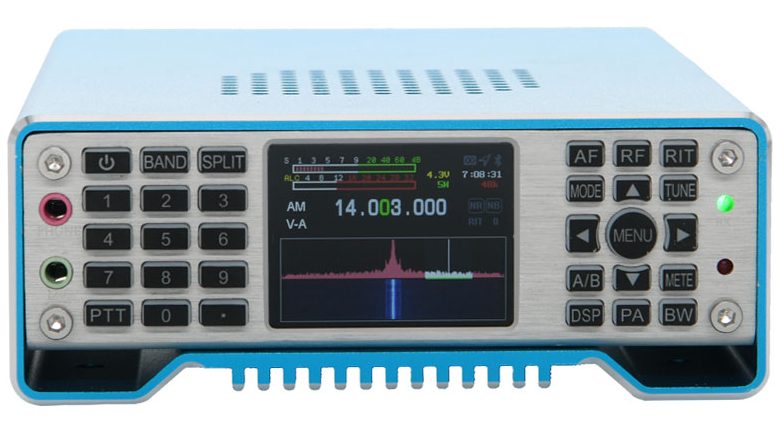
Det ska vara enkelt att ansluta till dator direkt med USB. Uteffekten anges till max 30W på HF. I övrigt finns det ingen information om VHF/UHF-delarna eller vilka möjligheter det finns för enkel satellittrafik. Det lär knappast bli full duplex. Förväntad release i juli 2020. Mer info här:
https://www.ailunce.com/blog/hs2-sdr-hf-vhf-uhf-sdr-sdr-transceiver
Rent portabelt, med inbyggt batteri, är det utan konkurens FT-817(ND) som gäller. Inte heller denna har full duplex men väl inbyggt batteri. Det är fortforarande, efter 20 år, den rig som används mest för portabla satellit-QSO. Många har löst duplex-problemet med att helt enkelt köpa en FT-817ND till!
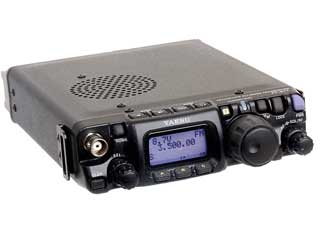
Under många år har det ryktas om en efterträdare. När FT-818ND kom 2018 var det många som blev besvikna. Det visade sig vara en 817ND men med några nya komponenter. Men det är i grunden exakt samma radio.
Jag har själv en FT-817ND och jag förstår att den för 20 år sedan var unik. Den verkar tåla vad som helst och jag kör den som en HF-rig på digitala mode. Men att hantera denna radio tycker jag nästan är helt omöjligt. Jag har provat att använda den portabelt och lyssna på satellittransponder men blir bara frusterad när jag försöker använda VFOn och se något på displayen. För mig är det helt enkelt inte roligt. Jag är mycket imponerad över de som har lärt sig att använda FT-817ND för att följa en satellitsignal med doppler!
De senaste åren har några kinesiska tillverkare kommit ut med billiga och små SDR-tranceivers på HF, en del med inbyggt batteri, som blivit populära. Kanske är det därför Icom till slut vaknade?
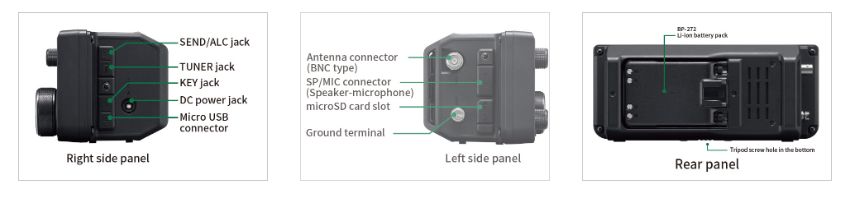
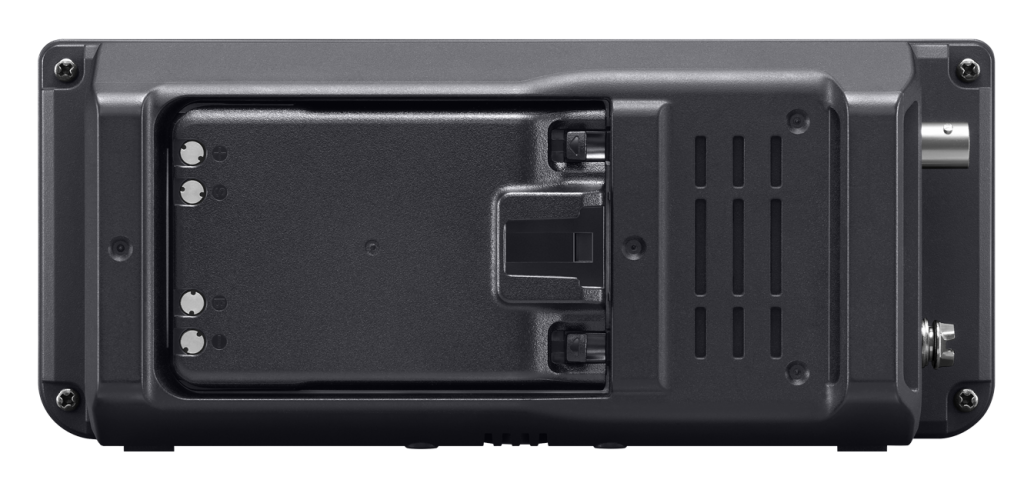
Hösten 2019 presenterades den portabla IC-705 och gensvaret från radioamatörer blev enormt. Detta var uppenbart något som många hade väntat på. IC-705 använder samma display som IC-7300/9700 och har samma menysystem. Det är en SDR-arkitektur som täcker HF/6m/VHF/UHF. Tyvärr så ser vi ingen full duplex på VHF/UHF. Troligtvis hade det blivit för dyrt att implementera och kanske då även blivit en direkt konkurrent till deras egna IC-9700. Det är oklart just nu hur stödet är för satellittrafik tex. om det går att tracka två VFO:er reverserat för att kunna följa sin nerlänk på en transponder. Men, den har inbyggt batteri som enkelt kan bytas och det är en riktig portabel full mode rig.
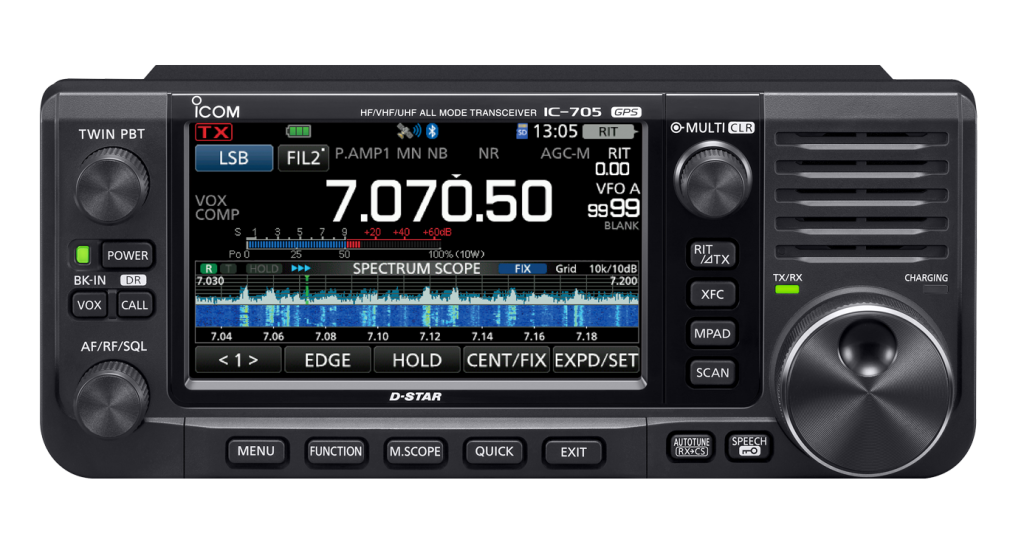
Kanske, efter 20 år, kan vi se en rig som kommer bli en ersättare till FT-817ND. Förväntad försäljningsstart är just nu beräknad till juni 2020. Jag har sett ett förväntat pris på ca. 15 000 kr i Sverige.
Mera info finns här:
https://www.icomjapan.com/lineup/products/IC-705
Och en japansk manual finns nu tillgänglig från denna sida:
https://www.ab4oj.com/icom/ic705/main.html